
Introduction: The Unsung Hero of Chicago’s Skies
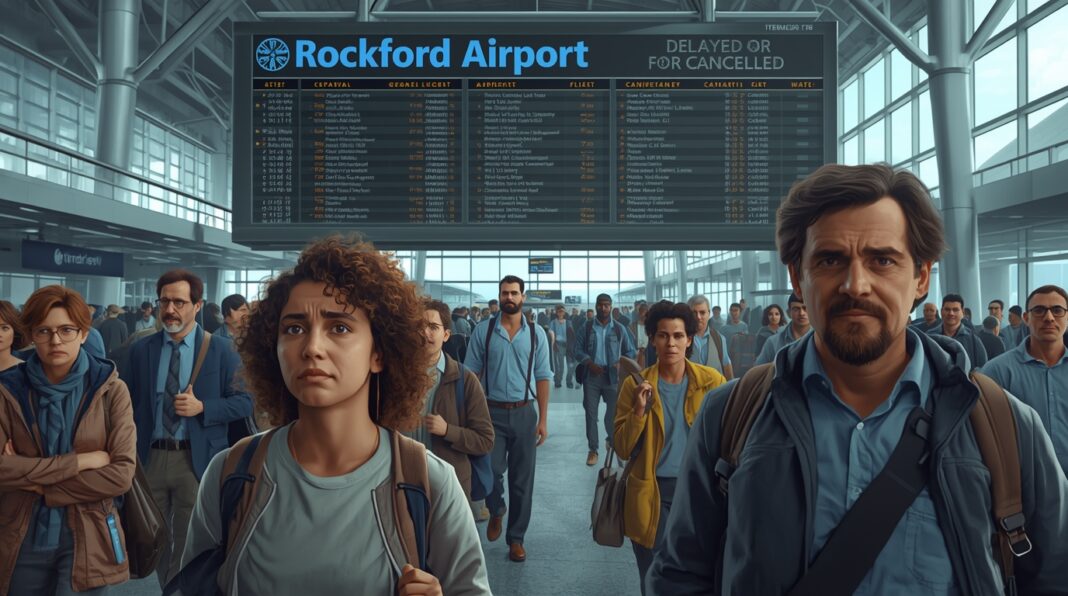
Imagine boarding a flight at Chicago’s bustling O’Hare International Airport (ORD), only to hear the captain announce a diversion due to thunderstorms rolling in from Lake Michigan. Instead of circling endlessly or heading to a distant alternate, your plane touches down at a quieter, more welcoming spot: Chicago Rockford International Airport (RFD), about 90 miles northwest of downtown Chicago. This scenario isn’t rare—it’s a lifeline for airlines when major hubs falter.
In 2025 alone, RFD has solidified its reputation as the go-to diversion point for Chicago-area flights, handling everything from domestic hops to transatlantic jets amid severe weather and operational snarls. On August 12, 2025, for instance, multiple planes were rerouted to RFD as thunderstorms battered the Windy City, turning a potential travel nightmare into a manageable detour. This event, covered extensively by local media, highlighted RFD’s efficiency in absorbing unexpected traffic without the chaos of larger airports. As air travel rebounds post-pandemic with record passenger volumes, understanding why flights end up at Rockford—and what happens next—is crucial for frequent flyers. This article dives deep into the mechanics, history, and human side of these diversions, offering insights to ease your mind the next time your itinerary takes an unplanned turn.
A Quick Primer on Chicago Rockford International Airport
Nestled in the heart of northern Illinois, Chicago Rockford International Airport (RFD) serves as a secondary gateway to the Chicago metropolitan area. Opened in 1950 as Greater Rockford Airport, it was rebranded in 2007 to emphasize its proximity to the third-largest U.S. media market. Spanning 2,800 acres, RFD features a single 10,000-foot runway capable of accommodating wide-body aircraft like Boeing 747s and Airbus A380s—rarer sights at smaller regional fields.
Unlike ORD’s 8 million annual passengers or Midway’s 20 million, RFD handles around 800,000 enplanements yearly, primarily through low-cost carriers like Allegiant Air and seasonal international charters. Its strategic location, just 10 miles south of Rockford and a 90-minute drive from downtown Chicago via I-90, makes it ideal for diversions. The airport’s modern terminal, renovated in 2019, boasts 10 gates, free Wi-Fi, and ample parking, all without the security lines that plague bigger hubs.
RFD’s role in diversions isn’t accidental. The Federal Aviation Administration (FAA) designates it as a primary alternate for ORD, thanks to its underutilized airspace and robust infrastructure. In fact, during peak disruption periods, RFD can surge to handle 50+ arrivals in hours, a flexibility born from its cargo-heavy operations—it’s a key FedEx hub, processing millions of pounds of freight annually.
Why Do Flights Diverted to Rockford Airport? The Perfect Storm of Factors
Flight diversions occur when conditions at the destination airport render landing unsafe or impossible. For Chicago-bound flights, Rockford steps in due to a confluence of geographic, meteorological, and logistical reasons.
Weather Woes: Chicago’s volatile climate is the biggest culprit. Lake-effect snow in winter, thunderstorms in summer, and fog year-round frequently ground ORD operations. RFD, slightly inland and elevated, often escapes the worst. The August 12, 2025, thunderstorms exemplify this: High winds and lightning forced over a dozen diversions, including jets from Delta and United, as pilots sought safer skies. Historical data from FlightAware shows RFD absorbing 200-300 diversions annually, spiking during Midwest storm seasons.
Congestion and Capacity Crunch: ORD, the world’s busiest airport by aircraft movements, juggles 2,200 daily flights. Delays cascade quickly— a single runway closure can backlog hundreds. RFD’s lighter load allows seamless integration. In November 2025, as a government shutdown loomed, ORD and Midway faced widespread cuts, but RFD chugged along “pretty normal,” per local reports, underscoring its reliability.
Mechanical and Medical Emergencies: Less common but notable, diversions happen for onboard issues. A November 6, 2025, archival recap highlighted an American Airlines Boeing 777 diverting to RFD mid-flight due to technical glitches, a nod to the airport’s emergency response prowess. International flights, too, favor RFD for its customs facilities, handling jets from Europe and Asia without ORD’s red tape.
Airlines factor these into flight plans via ETOPS (Extended-range Twin-engine Operational Performance Standards), pre-selecting alternates like RFD within a 200-mile radius. Fuel calculations ensure planes can loiter or detour without risk, but pilots prioritize safety—diverting early beats an emergency.
Spotlight on 2025: A Year of High-Profile Diversions
2025 has been a banner year for RFD’s diversion diary, blending routine weather events with broader systemic strains.
The August 12 thunderstorms weren’t isolated. Videos from local outlets captured planes circling ORD before banking northwest, landing at RFD amid clearing skies. Passengers recounted refueling stops lasting 2-3 hours before bussing back to Chicago—a standard protocol.
Earlier, in June echoes of 2022’s storms resurfaced, though 2025 saw milder impacts. But October brought intrigue: While a United flight cracked its windshield en route to LAX (diverting elsewhere), RFD handled tangential ORD overflows from wind shear alerts. By November, amid FAA staffing shortages from the near-shutdown, RFD’s steady ops provided a buffer, avoiding the cancellations plaguing its southern sisters.
Social media buzz, though sporadic, amplified these tales. A Facebook group post from August 18 detailed a lightning-induced diversion, with travelers sharing tips on RFD’s surprisingly decent dining options. Overall, FlightAware logs indicate RFD managed 150+ diversions through mid-November 2025, a 15% uptick from 2024, driven by climate-amplified weather.
How RFD Handles the Unexpected: Facilities and Passenger Support
What sets RFD apart is its passenger-centric approach during chaos. The terminal features dedicated diversion lounges with charging stations, complimentary snacks, and even a kids’ play area—luxuries ORD can’t always muster.
Upon landing, ground crews spring into action: Customs and Border Protection (CBP) agents process international arrivals swiftly, often within 30 minutes. Airlines provide buses or shuttles to ORD/Midway, covered under Department of Transportation rules for weather-related delays. Refueling is expedited via on-site tanks holding 500,000 gallons.
Local partnerships shine too. Rockford’s hotels offer discounted rates for overnight stragglers, and the Winnebago County Sheriff’s Office coordinates transport. In 2025’s August event, RFD’s team managed 20+ flights without a hitch, earning praise from diverted crews.
For pilots, RFD’s instrument landing system (ILS) and ATC tower ensure precision approaches, even in low visibility.
The Ripple Effects: On Passengers, Airlines, and the Local Economy
Diversions aren’t just logistical—they’re personal. Passengers face uncertainty: Will I make my connection? What’s the rebooking process? DOT mandates compensation for controllable delays (meals, hotels), but weather excuses airlines. Tips for smooth sailing: Pack snacks, download airline apps for real-time updates, and know RFD’s layout via flyrfd.com.
Economically, RFD thrives. Each diversion injects $5,000-$10,000 into the area via fuel, food, and lodging. Cargo ops, unaffected by passenger flux, keep the airport humming, contributing $1.2 billion annually to Illinois’ GDP.
Challenges persist: Overtaxed buses strain highways, and rare overnight stays spotlight rural transport gaps. Yet, RFD’s 2025 performance—zero major incidents—affirms its value.
Looking Ahead: Rockford’s Evolving Role in Aviation Resilience
As climate change intensifies storms and ORD expands (a $8.5 billion modernization by 2030), RFD’s diversion duties may grow. Plans for terminal upgrades, including EV charging and expanded gates, position it for sustainability. Collaborations with ORD via NextGen airspace tech promise fewer, smarter diversions.
In a post-2025 world, RFD embodies aviation’s adaptability—quietly ensuring the skies stay safe.
Conclusion: From Detour to Destination
Flights diverted to Rockford Airport remind us travel’s unpredictability, but also resilience. What starts as frustration often ends in unexpected charm: A taste of Rockford’s craft brew scene or a starry Midwest night. Next time your flight veers north, breathe easy—RFD’s got you covered. Safe travels.


